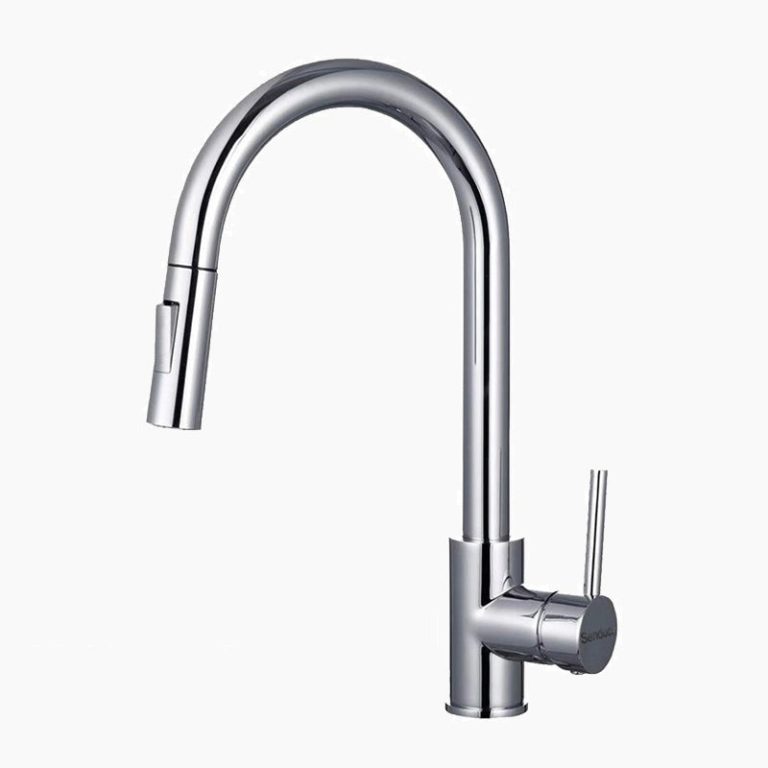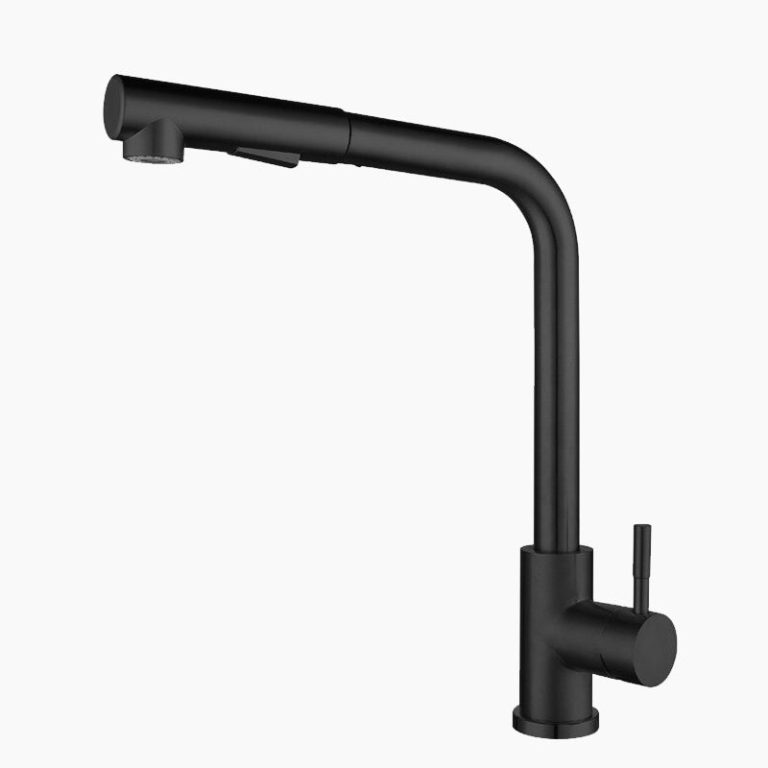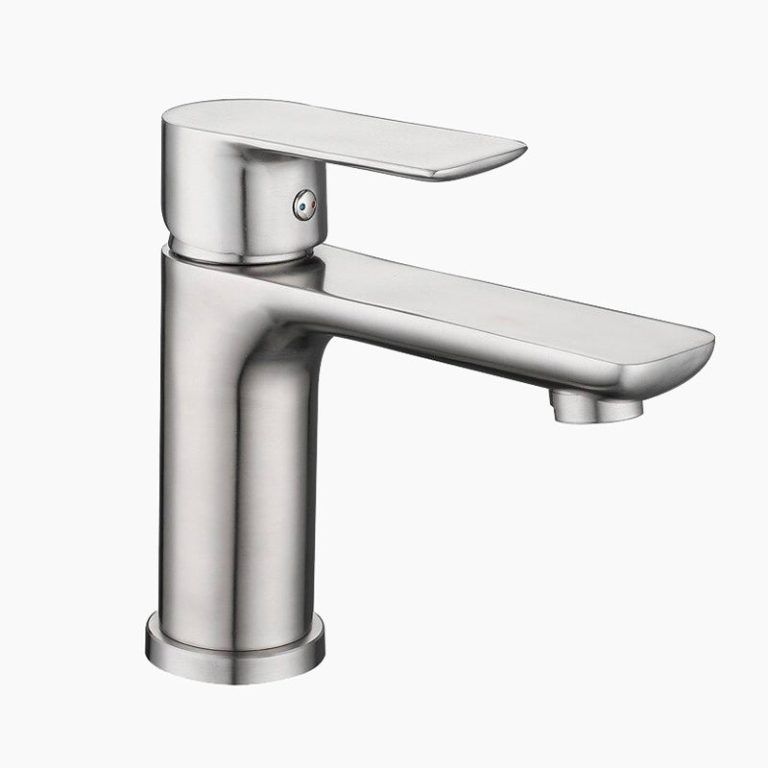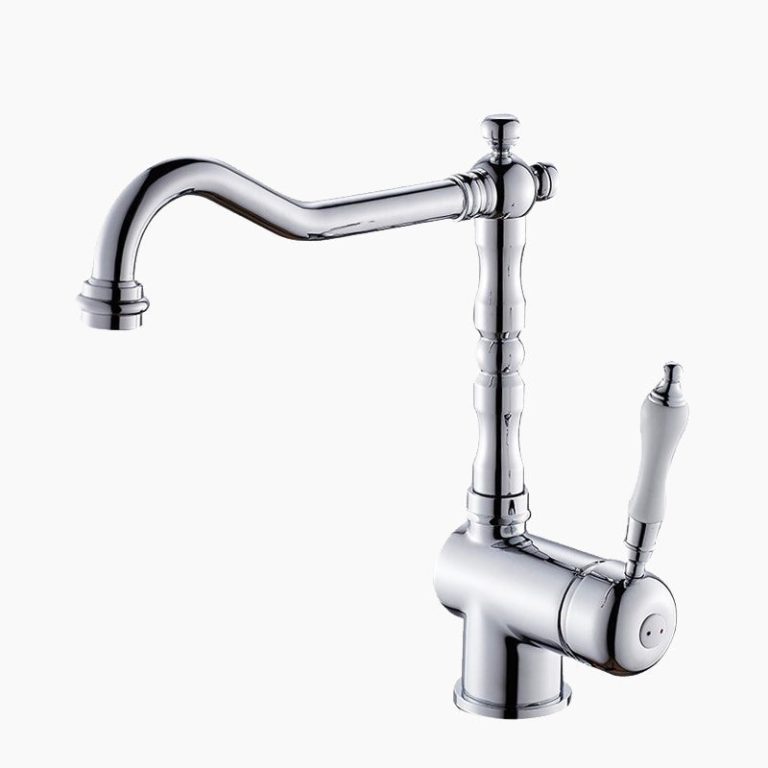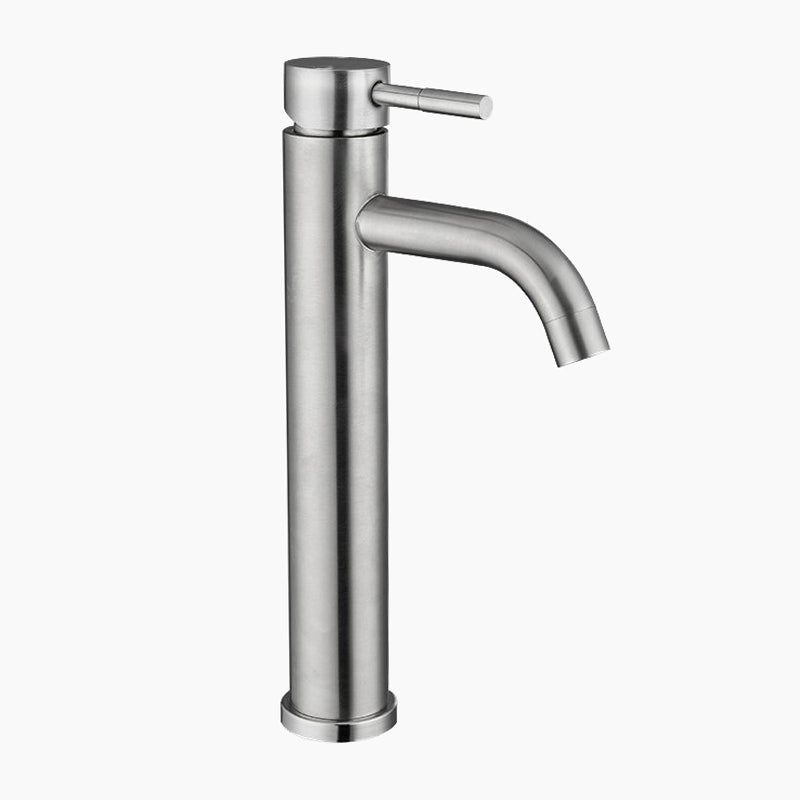
How to Choose a Bathroom Basin Faucet: Spout Height, Reach and Vessel Sink Compatibility
The right basin faucet is the one whose spout height and reach match your sink, not the one that simply looks best in a photo. Start with the sink type: a vessel sink needs a tall basin faucet or a wall-mounted spout, while undermount and drop-in sinks work with standard-height deck faucets. Then check reach, so water lands near the drain instead of on the bowl wall, and confirm how many holes your countertop or vanity has. The rest (handle style, spout shape and finish) comes down to how you use the sink and the look you want.
This guide takes each decision in order, so you can narrow a wide range of bathroom basin faucets down to the few that truly fit your space.
Basin faucet, basin tap, basin mixer tap: what the terms mean
“Faucet” is the standard US word, while “tap” is common in the UK and Australia, so a basin tap faucet and a bathroom basin faucet are the same thing: a fixture made for the washbasin. A basin mixer tap blends hot and cold water before it leaves the spout, usually through a single lever. Most modern basin faucets are mixers, and many mount through a single hole.
Step 1: Match spout height to your sink type
Spout height is the first filter because mistakes here are the most obvious. A faucet too short for a vessel bowl leaves no room for your hands; one too tall for a shallow undermount sink drops water from a height that splashes onto the counter.
Vessel sinks
A vessel sink sits on top of the counter, so its rim can be several inches above the deck. Bathroom faucets for vessels need a tall body, often described as a tall basin faucet or vessel faucet, so the spout outlet clears the rim comfortably. A practical rule of thumb is to add the height of the bowl above the counter to the clearance you want for washing your hands, then check that the faucet’s spout height (measured from the deck to the underside of the outlet) covers that total. Our selection of vessel sink faucets is built around this taller profile.
Undermount sinks
An undermount basin is mounted beneath the counter, so the counter surface becomes the rim. Standard-height deck faucets work well here. Because the bowl starts below the counter, you get natural clearance for washing, and a shorter spout keeps water closer to the basin, which helps control splash.
Drop-in (self-rimming) sinks
A drop-in sink has a lip that rests on the counter, and the faucet often mounts directly on the sink deck or just behind it. Again, a standard or mid-height faucet is usually the right choice. Check that the spout is long enough to clear the raised lip and reach over the bowl.
Step 2: Check reach and aim for the drain
Reach (sometimes called spout projection) is the horizontal distance from the center of the faucet body to the center of the water stream. It decides where the water lands. The goal is simple: the stream should fall close to the drain, not on the back slope or the side wall of the bowl.
- Too little reach: water hits the back of the basin, splashes and leaves less room for your hands.
- Too much reach: water strikes the front of the bowl and can splash toward you, especially with shallow sinks.
- About right: the stream lands at or near the drain, which keeps the basin cleaner and the counter drier.
To check, measure from the center of your faucet hole to the center of the drain and compare it with the faucet’s listed reach. Height and reach work together: a tall spout dropping water a long way into a deep bowl splashes more than the same spout over a wider, shallower one.
Step 3: Confirm the mounting style and hole count
Before falling for a particular design, look at what is already in your counter or vanity, or what your new sink allows.
| Mounting style | Holes needed | Best suited to |
|---|---|---|
| Single-hole deck mount | 1 | Vessel, undermount and drop-in sinks with a single opening; clean, minimal look |
| Centerset | 3 holes on a compact spread, joined by one base | Existing vanities pre-drilled for a compact three-hole setup |
| Widespread | 3 separate holes on a wider spread | Larger vanities where separate handles and spout look balanced |
| Wall mount | None in the counter; supply lines run in the wall | Vessel sinks, wall-hung basins and very clean countertops |
Switching from a three-hole faucet to a single-hole model? A deck plate can cover the unused holes if the faucet supports one. On a new counter, drill only what the chosen faucet requires.
Step 4: Choose between single-handle mixers and two handles
For most bathrooms, a single-handle basin mixer tap is the practical choice. One lever controls both flow and temperature, which makes it easy to use with wet or soapy hands and quick to adjust. It also needs only one mounting hole, which suits vessel sinks and narrow vanities.
Two-handle faucets give separate control of hot and cold and a more traditional look, but they need a centerset or widespread layout. With a single lever, check that the handle can swing fully without hitting a backsplash, mirror or vessel rim.
Step 5: Decide on spout shape, including waterfall spouts
Straight and curved spouts produce a familiar aerated stream, while gooseneck spouts arc over the bowl for extra clearance under the outlet.
A waterfall bathroom faucet uses a wide, open or flat outlet that releases water in a smooth sheet rather than a round stream. The effect is calm and visual, and it works especially well as a centerpiece over a vessel or glass basin. Keep two points in mind: the sheet of water covers a wider area, so match it to a basin that is wide enough, and an open channel can show water spots and mineral deposits sooner, so it benefits from a regular wipe. Browse our waterfall faucets to compare outlet widths and heights, or look at a taller option such as this tall waterfall basin faucet in brushed nickel if you are pairing it with a vessel bowl.
Step 6: Consider a wall mount basin faucet
A wall mount basin faucet comes out of the wall above the sink instead of sitting on the counter. It frees the countertop entirely, makes cleaning around the sink easier, and is a natural fit for vessel bowls, since you can set the spout at exactly the height you want.
The trade-off is installation. The supply lines and valve sit inside the wall, so a wall-mounted faucet is best planned during a remodel, with height and reach set precisely before the wall is closed. If you are already renovating, explore our wall mount faucets and plan the rough-in with your plumber before the wall is closed.
Step 7: Plan the drain at the same time
Some basin faucets work with a pop-up drain operated by a lift rod behind the spout. Many single-hole models, especially tall vessel faucets, have no lift rod, so you would use a push-to-open or grid drain instead.
- Overflow: if your sink has an overflow opening, use a drain with overflow slots. Many vessel sinks have no overflow, which calls for a drain without slots.
- Vessel drains: because a vessel bowl sits above the counter, check the drain length so it reaches the tailpiece and trap below.
- Finish matching: buying the drain in the same finish as the faucet keeps the set looking consistent.
Step 8: Think about materials, finish and water use
Brass and stainless steel bodies are both widely used for their corrosion resistance. Finish decides look and upkeep: brushed nickel and brushed stainless hide fingerprints and water spots, polished chrome is easy to wipe, and matte black or gold make a stronger statement.
Flow rate matters too. If water efficiency is a priority, the U.S. EPA’s WaterSense program for bathroom faucets explains the labeling criteria for lower-flow models. Check the listed flow rate or aerator on any faucet you are considering, particularly if local codes in your area set limits.
A quick example: pairing a tall faucet with a vessel bowl
Say you have a round vessel bowl with a single hole drilled behind it. You need a single-hole deck faucet, a tall body that clears the rim, and enough reach to bring the stream over the drain; a brushed finish keeps maintenance low. A tall brushed stainless basin faucet fits that brief. Before ordering, compare its listed height and reach with your bowl height and the distance from the hole to the drain.
Checklist before you buy
- Identify your sink type and measure the rim height above the counter.
- Measure from the faucet hole (or wall mounting point) to the center of the drain.
- Count the holes in the counter, or decide on a wall mount.
- Choose the handle style, spout shape and drain type.
- Select a finish that suits your other fixtures.
Frequently asked questions
What is the difference between a basin faucet and a basin mixer tap?
A basin faucet is any faucet made for a bathroom washbasin. A basin mixer tap is a type of basin faucet that mixes hot and cold water before it exits the spout, usually controlled by a single lever. Most modern basin faucets are mixers.
Can I use a standard-height faucet with a vessel sink?
Usually not. A vessel sink sits on top of the counter, so a standard faucet’s outlet is often at or below the rim. Choose a tall basin faucet whose spout height clears the rim with room for your hands, or mount the faucet on the wall above the bowl.
How far should the spout reach into the sink?
The stream should land close to the drain. Measure from the center of the faucet hole to the center of the drain and choose a faucet whose listed reach is close to that distance. Too little reach splashes the back of the bowl, while too much sends water toward the front.
Are waterfall faucets more prone to splashing?
Not necessarily. A waterfall spout releases a wide, smooth sheet of water that is often gentle, but it covers a broader area than a round stream. Pair it with a basin that is wide enough and set the height so the water does not drop too far before reaching the bowl.
Do I need a special drain for a vessel sink?
Often, yes. Many vessel sinks have no overflow, so you need a drain without overflow slots, and many tall vessel faucets have no lift rod, so a push-to-open or grid drain is the usual choice. Check the drain length so it reaches the plumbing beneath the counter.