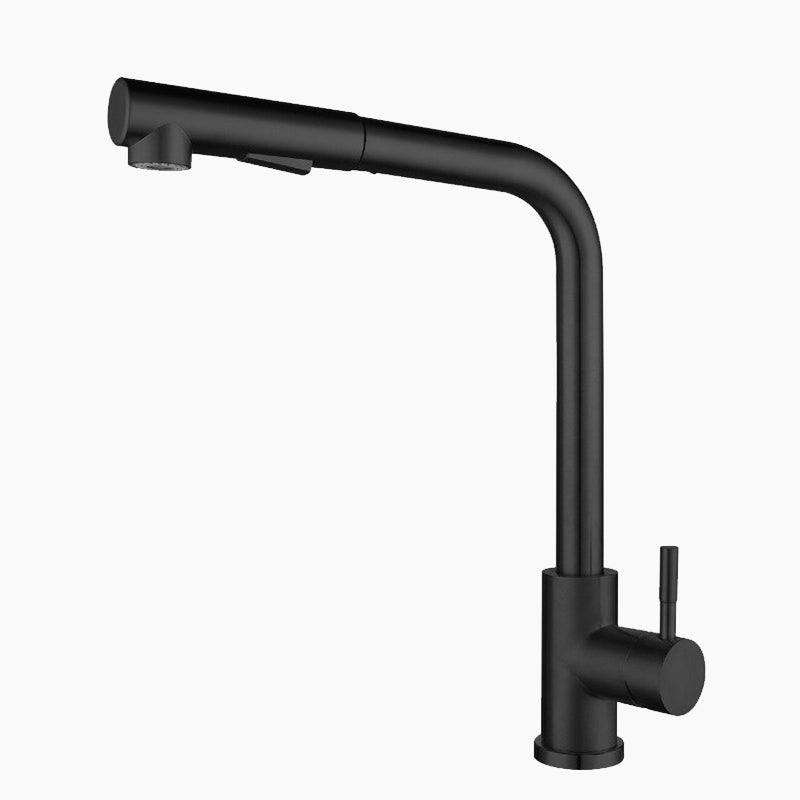
Black Faucets: Pros, Cons, Finishes and How to Style Them in Your Kitchen and Bathroom
Black faucets look sharp, hide everyday grime better than polished metal and work with almost any style, from minimalist to farmhouse. The trade-offs are real, though: some black finishes show hard-water spots and fingerprints, cheap coatings can chip, and the wrong cleaner can dull the surface for good. This guide walks through the main black faucet finishes, how they hold up, how to clean them and how to pair a black faucet with white sinks, black countertops and brass accents, so you can choose with confidence for your kitchen or bathroom.
Why black faucets are worth considering
A black faucet works like a line drawing in a room. It defines the shape of the spout and handle against lighter surfaces and gives a kitchen or bathroom a clear focal point without adding visual clutter. That is why black fixtures have moved well beyond industrial lofts into classic, Scandinavian and transitional spaces.
The main advantages
- Strong contrast. Black reads clearly against white, gray, wood and stone, so even a simple faucet looks intentional.
- Versatile style. The same matte black finish suits a square modern spout or a curved gooseneck.
- Hides smudges better than polished metal. A good matte black finish does not show every fingerprint the way polished chrome does.
- Easy to coordinate. Black cabinet pulls, light fixtures, mirror frames and shower trims are widely available, which makes a cohesive look simple to build.
The drawbacks to know before you buy
- Water spots. In hard-water areas, dried mineral deposits leave pale marks that stand out on a dark surface.
- Finish sensitivity. Abrasive pads, bleach and strong acidic cleaners can scratch or dull black coatings.
- Coating quality varies. A thin painted layer may wear at contact points over time, while a well-applied powder coat or PVD finish is far more resilient.
- Glossy black shows more. High-shine black chrome highlights fingerprints and spots more than satin or matte black.
Black faucet finishes compared
“Black” covers several distinct finishes. The way the color is applied affects how the faucet looks, how it feels in the hand and how it ages.
| Finish | Look | Shows water spots | Best for |
|---|---|---|---|
| Matte black | Flat, velvety, no reflection | Moderately, on hard water | Modern and minimalist kitchens and bathrooms |
| Brushed or satin black | Soft sheen with fine texture | Less noticeable | Busy kitchens and family bathrooms |
| Black chrome | Smoky, reflective, dark mirror effect | Most noticeable | Glamorous or contemporary spaces with lower daily traffic |
| Gloss black | Shiny, enamel-like | Noticeable | Statement pieces and retro styles |
Matte black
Matte black is the most popular option and the one most people picture when they search for a black faucet. It absorbs light instead of reflecting it, which gives a clean, architectural look. On a quality faucet the color is usually a powder coat or a PVD (physical vapor deposition) layer bonded over a brass or stainless body. Its weak point is dried mineral residue, so it rewards a quick wipe after use.
Brushed and satin black
A brushed or satin black finish has a slight texture or low sheen. That texture helps break up the appearance of water spots and light scratches, which makes it a practical choice for a kitchen that sees heavy use every day.
Black chrome
Black chrome is a dark, reflective finish with a smoky tint. It looks striking and pairs well with glass and high-gloss surfaces, but like regular polished chrome it shows fingerprints and droplets easily. If you love the look, plan on wiping it down more often than a matte finish.
Durability: what makes a black faucet last
The finish is only as good as what sits beneath it. When you compare black faucets, look past the color and check the details below.
- Body material. Solid brass or stainless steel bodies resist corrosion and give the coating a stable base.
- Coating type. Powder coating and PVD bond tightly to the metal and resist chipping and fading far better than simple spray paint.
- Cartridge. A ceramic disc cartridge gives smooth handle movement and is designed to resist drips over time.
- Hose and sprayer. On a pull-down kitchen faucet, check that the sprayer head docks firmly and that the hose retracts smoothly.
Water quality matters too. In areas with very hard water, a filter or softener reduces mineral buildup on every fixture, black or not. The hard water overview on Wikipedia explains why calcium and magnesium leave those chalky marks.
How to clean a black faucet without damaging it
Most problems with black faucets come from the wrong cleaning routine rather than the finish itself. A gentle approach keeps the surface even and the color deep.
- Wipe daily with a soft cloth. A microfiber cloth removes droplets before they dry into spots.
- Wash weekly with mild soap and warm water. A drop of dish soap is enough. Rinse and dry completely.
- Treat mineral spots carefully. For stubborn marks, dab a diluted white vinegar solution on a cloth, hold it on the spot briefly, then rinse with clean water and dry. Always check the manufacturer’s care instructions first and test on a hidden area.
- Avoid abrasives and harsh chemicals. Skip scouring pads, powder cleansers, bleach and ammonia-based sprays, which can scratch or haze the coating.
How to style black faucets in the kitchen
In the kitchen, a black faucet is usually the tallest object on the countertop, so its shape matters as much as its color. Browse our black kitchen faucets to compare spout heights, sprayer types and handle positions side by side.
Black faucet with a white sink
This is the classic high-contrast pairing. A black faucet over a white farmhouse, ceramic or composite sink creates a crisp graphic look. To keep it balanced, repeat black somewhere else in the room, such as cabinet hardware, pendant lights or bar stools, so the faucet does not feel isolated.
Black faucet on a black countertop
A black faucet on a black countertop gives a moody, tone-on-tone result. The trick is texture contrast: a matte faucet against polished granite or quartz, or a satin faucet against honed stone. Lighter backsplash tile, wood shelves or a stainless or white sink help the faucet stand out instead of disappearing.
Mixing black with brass and gold
Black and warm metals are a natural match. You can pair a matte black faucet with brushed brass cabinet pulls, or choose a two-tone faucet that combines a gold body with a black sprayer or flexible spout. Keep the mix to two main metals for a deliberate, coordinated look.
Picking a shape that fits your sink
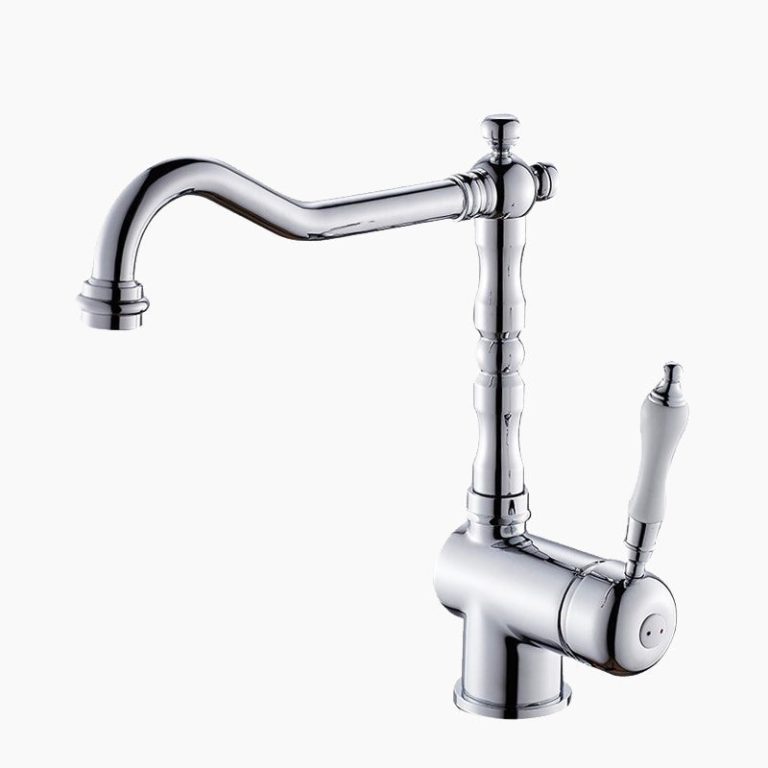
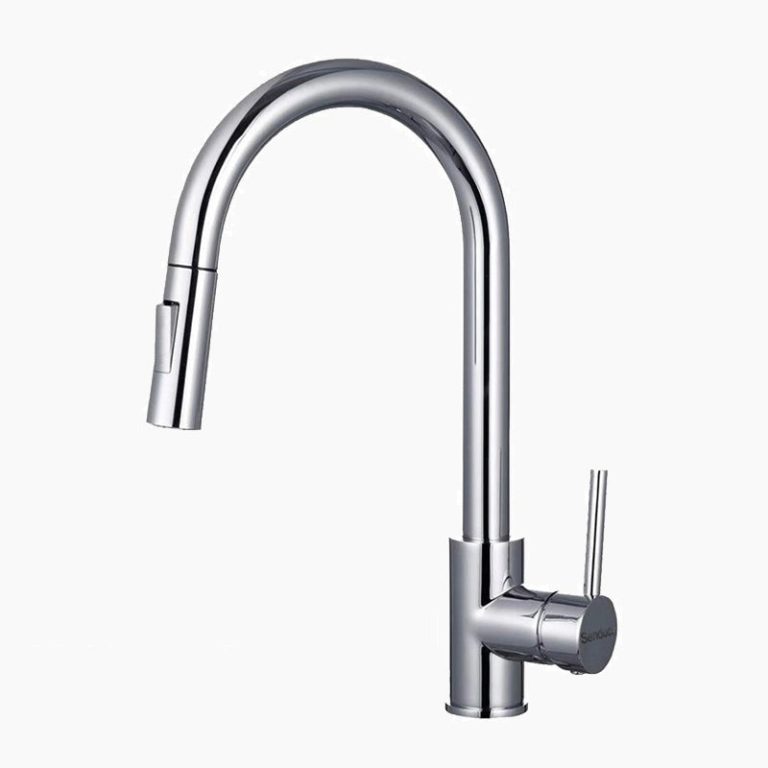
Deep, wide sinks benefit from a high-arc spout that gives room for large pots. Our gooseneck faucet collection offers tall, curved spouts that clear stockpots and make filling easier. If you want a sprayer that reaches every corner of the basin, a matte black pull-down kitchen faucet combines the clean look of a single spout with a practical pull-down spray head.
How to style black faucets in the bathroom
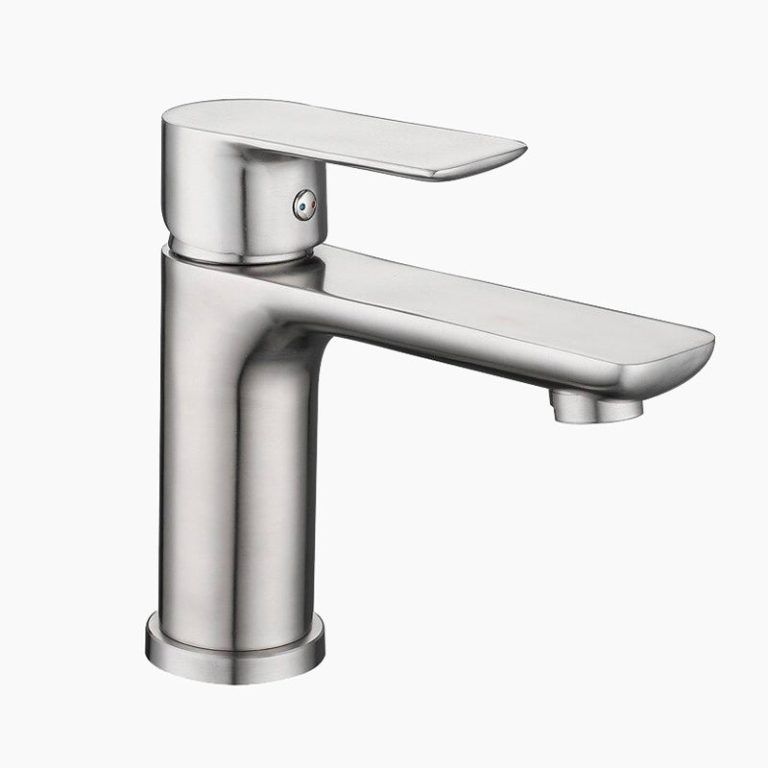
Bathrooms are a great place to start with black because a single faucet can transform a vanity. Explore our matte black bathroom faucets for single-hole, widespread and tall vessel options.
- White vanity and white basin: a black faucet gives the cleanest contrast and pairs well with a black mirror frame.
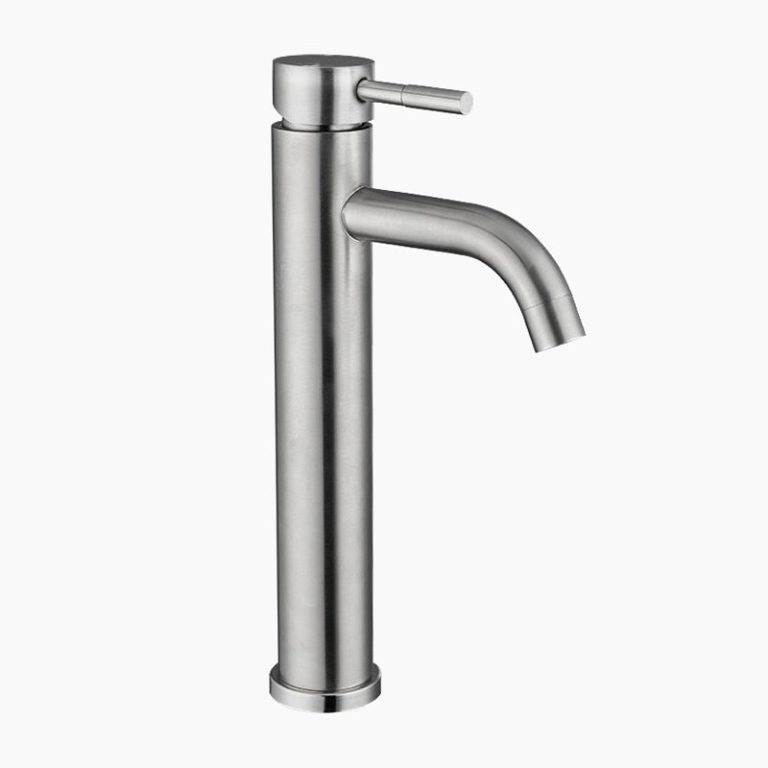
- Vessel sinks: a tall basin faucet such as our matte black tall basin faucet with single handle reaches over a raised bowl and becomes a sculptural feature.
- Wood vanities: black adds definition to warm oak or walnut tones, giving a spa-like feel.
- Matching the shower: for a coordinated look, choose black shower trims, towel bars and drain covers in a similar sheen.
Check how many holes your vanity has before ordering. A single-hole faucet needs one opening, while a widespread or three-hole faucet needs three. A deck plate can cover extra holes if you switch from a three-hole setup to a single-handle model.
Kitchen vs bathroom: which black faucet to choose
Kitchen faucets work harder: frequent use, hot water, food residue and heavy pots. That makes a durable matte or satin finish and a smooth pull-down or pull-out sprayer the priority. Bathroom faucets see lighter use, so you have more freedom with shapes and glossier finishes like black chrome. In both rooms, measure the sink depth, faucet reach and available space behind the sink before you decide. If you are still comparing styles, our full range of black faucets brings kitchen and bathroom models together in one place.
Frequently asked questions about black faucets
Do black faucets show water spots?
They can, especially in areas with hard water. Matte and brushed finishes hide spots better than glossy black chrome. Wiping the faucet dry after use is the simplest way to prevent visible marks.
Are matte black faucets hard to keep clean?
Not if you use a gentle routine. A soft cloth, mild soap and warm water are enough for regular care. Avoid abrasive pads and harsh chemicals, which can damage the finish.
Does a black faucet go with a white sink?
Yes, it is one of the most popular combinations. The contrast highlights the shape of the faucet. Repeating black in hardware or lighting ties the look together.
Can you put a black faucet on a black countertop?
Yes. Choose a different texture or sheen from the countertop, such as matte against polished stone, and add contrast with the sink, backsplash or lighting so the faucet remains visible.
What is the difference between matte black and black chrome?
Matte black is flat and non-reflective, while black chrome is a dark, mirror-like finish with a smoky tint. Matte black is easier to keep looking clean day to day; black chrome makes a bolder, glossier statement but shows fingerprints more easily.